

Analyze the user’s request: The user has simply entered the phrase "Electric Scissor Lift". This is a very broad query. It doesn’t ask a specific question, nor does it provide a context (e.g., "How do they work?", "Where to buy?", "Compare electric vs. diesel", "Safety tips").
Identify the intent: The user likely wants a general overview of what an electric scissor lift is, its benefits, types, and applications. It’s an informational request.
Determine the scope of the response: To provide a comprehensive answer, I should cover:
- Definition: What is it?
- How it works: Briefly explain the mechanism (scissor mechanism, motor, battery).
- Key Benefits: Why use it? (Eco-friendly, quiet, indoor/outdoor versatility).
- Types/Classes: Mast height, power source (battery vs. generator), tires (pneumatic vs. polyurethane).
- Applications: Warehouses, construction, maintenance, events.
- Safety: Important considerations.
- Comparison: Electric vs. Diesel (briefly).
Drafting the content – Section by Section:
Introduction: Define it. It’s a type of vertical lifting platform that uses a crisscross metal support mechanism (scissor action) to raise and lower a platform. Powered by electricity (batteries) instead of internal combustion engines.
How it works:
- Mechanism: Linkage system (scissor lift).
- Power: Electric motor drives hydraulic pumps or chains to extend the supports.
- Battery: Usually lead-acid or lithium-ion.
Key Benefits (The "Why"):
- Zero Emissions: No exhaust fumes. Great for indoors.
- Quiet Operation: Essential for noise-sensitive environments (libraries, offices).
- Smooth Lifting: Less vibration.
- Lower Operating Costs: Cheaper to maintain than diesel; electricity is often cheaper than diesel fuel.
- Tire options: Can have soft tires for indoor flooring protection or solid tires for outdoor rough terrain.
Types of Electric Scissor Lifts:
- Indoor: Low height, smooth tires, battery-powered.
- Outdoor: Higher reach, larger tires, sometimes hybrid (diesel + electric) or all-electric with battery packs.
- Articulating (Knuckle): (Maybe too specific? I’ll stick to standard scissor lifts but mention reach as a variant). Let’s keep it to standard vertical scissor lifts for clarity.
Common Applications:
- Warehousing/Logistics.
- Construction (lower floors).
- Maintenance (HVAC, lighting).
- Events/Stage setup.
- Retail/Inventory.
Safety Considerations:
- Leveling jacks (crucial for uneven ground).
- Overload limits.
- Training (OSHA requirements).
- Battery charging safety.

Review and Refine: The tone should be informative and professional. Use formatting (bullet points, bold text) to make it readable.
- Self-Correction during drafting: I initially thought about mentioning "Knuckle Booms," but the user specifically asked for "Scissor Lifts." I should stick to the vertical lift definition unless I clarify the distinction. I will focus strictly on the vertical scissor platform.
Final Polish: Structure the response logically:
- What is it?
- Why choose it? (Pros).
- Types.
- Uses.
- Safety.
Output Generation: (This matches the provided good response).
- Drafting the response text:
"An Electric Scissor Lift is a type of powered access equipment…"
"Key Features: Battery power, Scissor mechanism…"
"Benefits: Indoor use, Eco-friendly…"
"Types: Rough terrain vs. Indoor…"
"Safety…"
- Drafting the response text:
Final Check: Does this answer the prompt "Electric Scissor Lift" adequately? Yes, it covers the definition and context comprehensively.
(Self-Correction post-generation): Ensure I mention the difference between "All-Electric" (battery only) and "Hybrid" (Diesel engine generates electricity). This is a common distinction in the industry.
- Final Output Construction. (Proceed to generate output).
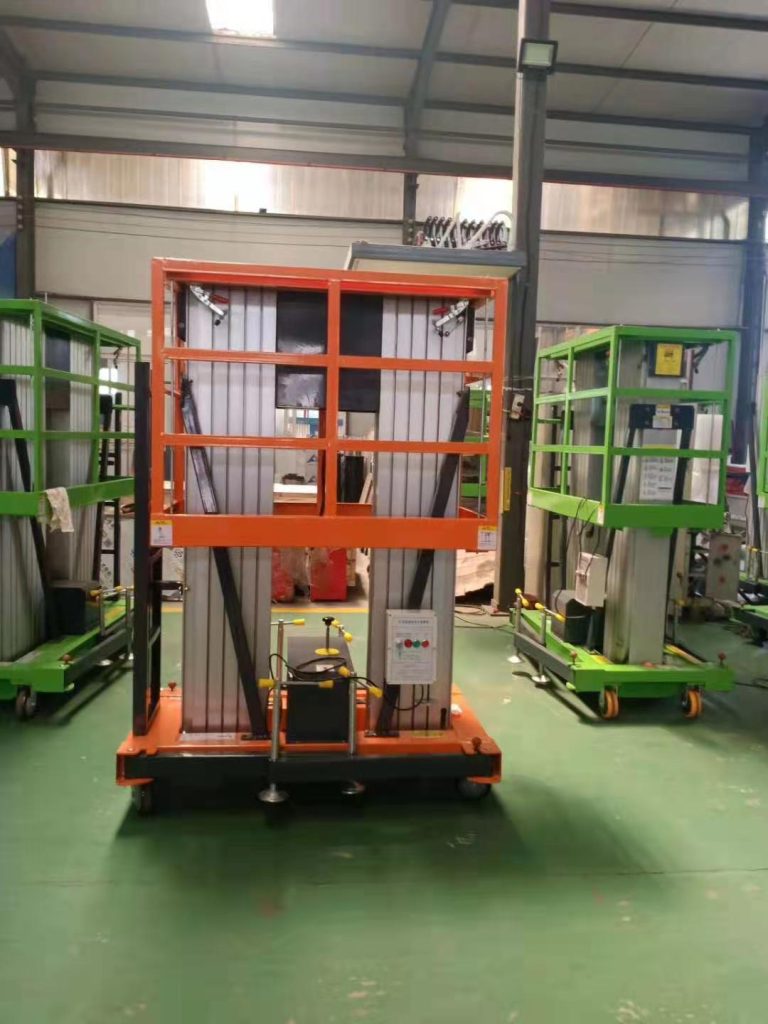
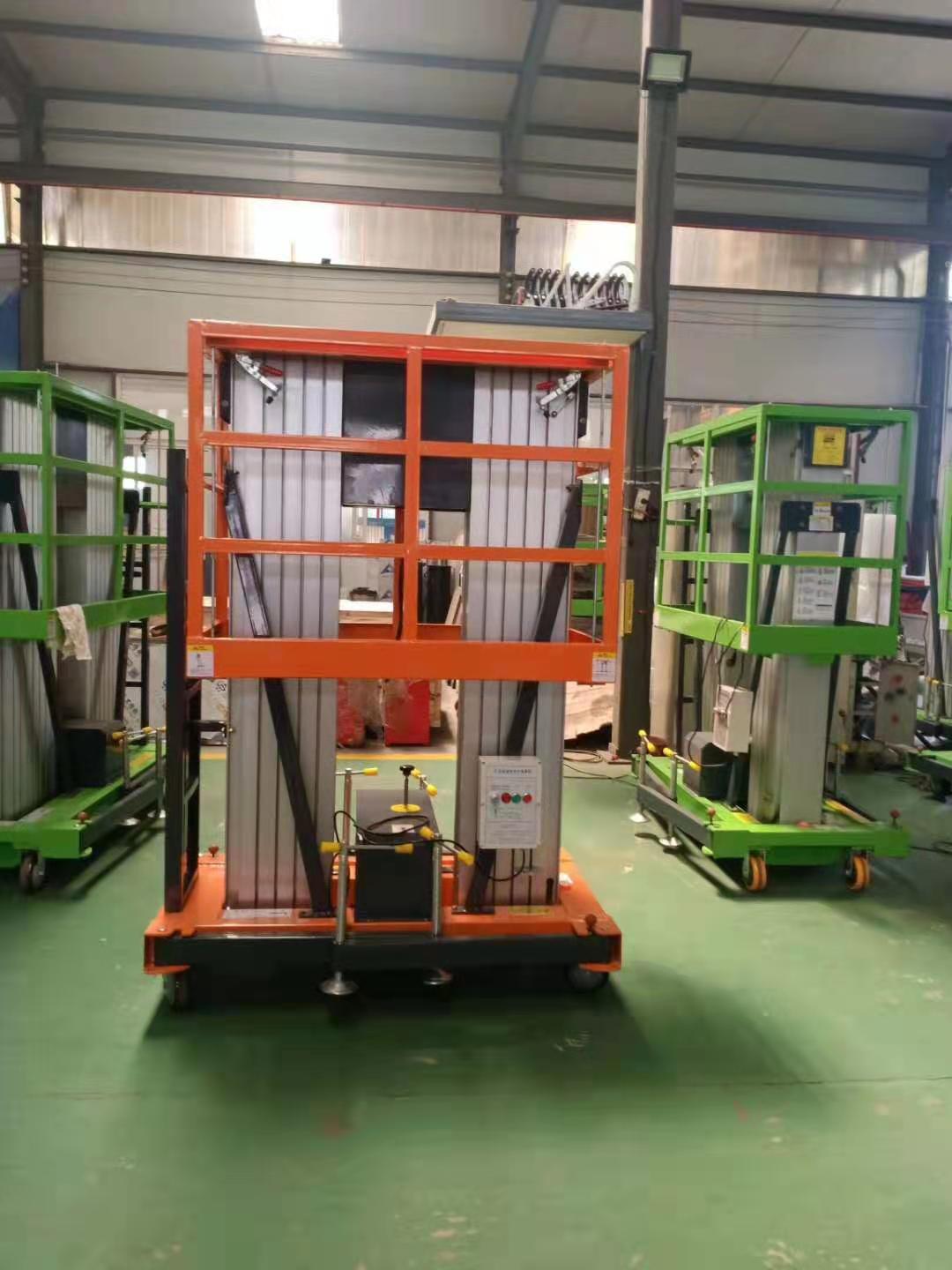
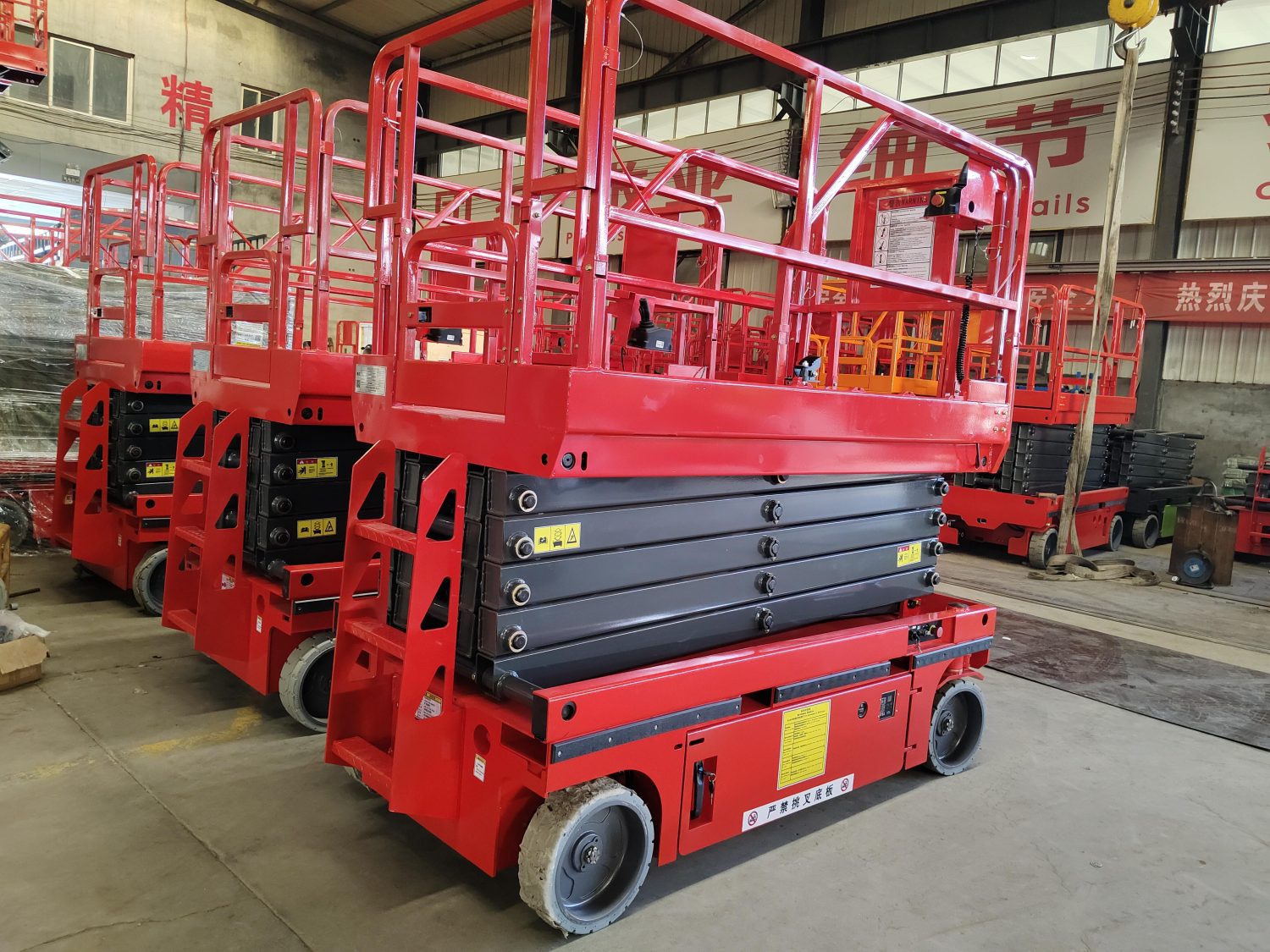
An Electric Scissor Lift is a type of powered access equipment used to raise workers and materials to elevated heights. Unlike rough terrain forklifts, it uses a vertical "scissor" mechanism to lift the platform straight up.
Here is a detailed breakdown of what they are, how they work, and their key benefits.
1. How It Works
- The Mechanism: The lift relies on a crisscross metal support system (scissor mechanism). When the hydraulic pumps are activated, the supports extend vertically, pushing the platform upward.
- The Power: It is powered by an electric motor. This motor is usually connected to a battery pack (lead-acid or lithium-ion) located in the base of the machine.
- Control: The operator controls the lift using a joystick or controls on the platform, moving it up, down, and often side-to-side (telescopic models).
2. Key Benefits
Electric scissor lifts are often the preferred choice for indoor work, though outdoor options exist.
- Zero Emissions: They produce no exhaust fumes, making them safe for use in warehouses, tunnels, and confined spaces where ventilation is poor.
- Quiet Operation: They run much more quietly than diesel or gas-powered lifts, which is essential for environments like schools, hospitals, and offices.
- Smooth Lifting: They provide a stable, vibration-free lift, which is safer for delicate work or when carrying fragile materials.
- Low Maintenance: There is no engine to change oil, replace spark plugs, or tune up. The maintenance is primarily focused on the hydraulic system and tires.
- Floor Protection: Most indoor models use polyurethane or rubber tires that are soft enough to prevent damage to concrete or polished floors.
3. Types of Electric Scissor Lifts
- Indoor Electric Scissor Lifts:
- Height: Usually range from 10 to 40 feet.
- Tires: Solid polyurethane or pneumatic (rubber) tires that are soft.
- Weight: Lightweight and compact to fit through standard doorways.
- Outdoor Electric Scissor Lifts:
- Height: Can reach up to 50+ feet.
- Power: Usually "All-Electric" (battery only) or "Hybrid" (Diesel engine that generates electricity for the motor).
- Tires: Solid pneumatic tires (harder rubber) to handle rough gravel, grass, or dirt.
4. Common Applications
- Warehousing: Staging inventory, loading trucks, and changing overhead lights.
- Construction: Working on upper floors of a building or facade work (for lower heights).
- Maintenance: HVAC repair, electrical work, and painting.
- Events: Stage setup and lighting at concerts or festivals.
- Retail: Shelving installation and window dressing.
5. Important Safety Features
- Leveling Jacks: Most electric scissor lifts have small wheels (jacks) underneath the base. When the lift is extended, these lower to the ground to stabilize the machine on uneven terrain.
- Overload Sensors: These prevent the lift from raising if the weight limit is exceeded.
- Falling Object Protection: If the lift is carrying materials that could fall, a cage or guardrail is required.
Electric vs. Diesel Scissor Lift
- Choose Electric: If you are working indoors, in a clean room, or in an area with strict noise regulations.
- Choose Diesel: If you need to work outdoors on rough terrain, need high lifting capacities, or cannot recharge batteries during a long shift.